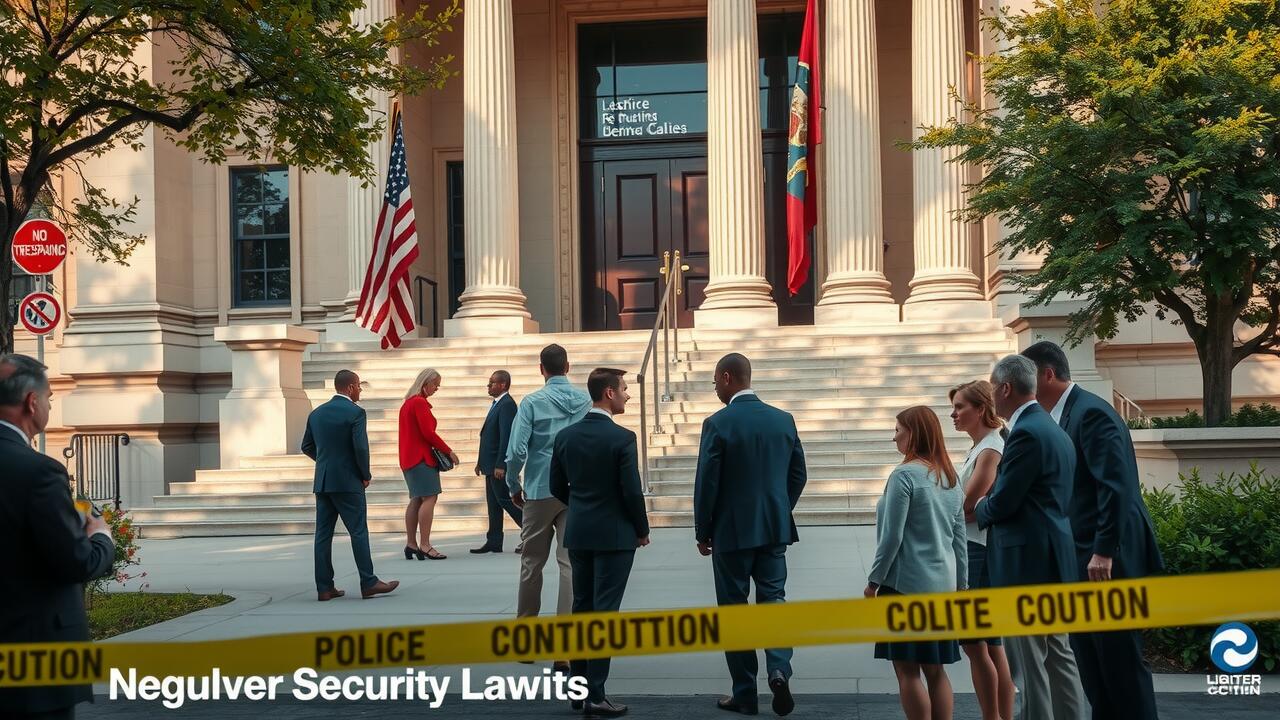
Role of Evidence in Negligent Security Cases
Evidence plays a crucial role in establishing negligence in security-related claims. Plaintiffs must demonstrate that property owners failed to provide adequate security measures, leading to harm. A variety of evidence types can substantiate these claims, such as surveillance footage, incident reports, and witness testimonies. Establishing a pattern of previous incidents on the property can also strengthen the case by showing a history of negligence.
Judges and juries rely heavily on the presented evidence to gauge the seriousness of the claims. The quality and clarity of this evidence can significantly influence the outcome of a case. Experts in legal matters emphasize the importance of gathering comprehensive documentation early on. This evidence not only supports allegations but also helps in crafting a compelling narrative that resonates with decision-makers during trials.
Types of Evidence Commonly Presented
In negligent security lawsuits, the types of evidence presented play a crucial role in establishing liability. Photographic evidence of the premises can illustrate security shortcomings, such as poor lighting or malfunctioning surveillance cameras. Additionally, witness testimonies provide accounts of the incident and the environment, helping to paint a clearer picture of how the security measures failed. Records of prior criminal activity in the area may also be introduced to highlight the property owner’s knowledge of potential risks.
Another key element of evidence comes from expert testimony, often from security professionals or crime prevention specialists. Their insights can validate the claim that the existing security measures were inadequate for the level of risk present. Documentation of security policies or procedures, or lack thereof, contributes to the case by showing whether the property owner took necessary precautions. Overall, the evidence presented seeks to underscore the connection between security failures and the resulting harm suffered by individuals.
Defense Strategies Used by Property Owners
Property owners often utilize a range of strategies to defend against negligent security lawsuits. One common approach is to demonstrate that reasonable security measures were in place at the time of the incident. This can involve presenting evidence of surveillance systems, adequate lighting, and trained security personnel. By highlighting these efforts, property owners aim to show that they took appropriate steps to protect their premises and guests, which may mitigate their liability.
Another defense strategy involves questioning the behavior of the victim during the incident. Property owners may argue that the individual engaged in risky behavior that contributed to their injury or loss. This line of defense seeks to shift some responsibility away from the property owner by suggesting that the victim's actions compromised their safety. Through these arguments, property owners attempt to create doubt about their potential liability and refocus attention on the circumstances surrounding the incident.
Common Arguments Against Liability
Property owners often argue that they had taken reasonable steps to ensure the safety of their premises. This defense may include demonstrating regular maintenance of security systems, adequate lighting, and proper staff training. Owners may emphasize that they were not aware of any prior incidents that would indicate a heightened risk. The absence of previous violence or crime in the area can be a focal point for their argument, suggesting that they could not have foreseen any security threats.
Another common line of defense revolves around the assertion that the plaintiff's actions contributed to the incident. Property owners might argue that the individual involved acted in a manner that was reckless, such as wandering into restricted areas or ignoring clearly posted warnings. By illustrating that the plaintiff had a role in their own harm, owners seek to shift some or all of the responsibility away from themselves. This approach often aims to complicate the narrative of negligence, placing doubt in the minds of jurors regarding the extent of liability.
Insights from Legal Experts
Legal experts highlight the significance of establishing a strong connection between the property owner's negligence and the harm suffered by plaintiffs. Proving that inadequate security measures directly contributed to a crime or injury often requires meticulous gathering of evidence. This evidence is not solely limited to incidents on the property but may also encompass broader statistics and patterns of prior criminal activity in the area. Experts argue that presenting such evidence can bolster the plaintiffs' claims, emphasizing the liability of property owners in ensuring safe environments for their guests.
Moreover, insights reveal a growing trend in how juries perceive negligent security cases. Many experts suggest that public awareness of safety issues has evolved, influencing jury expectations regarding the responsibilities of property owners. As national conversations around security and safety intensify, jurors may hold property owners to a higher standard of care. This shift in perception can play a crucial role in determining case outcomes, as juries may be more inclined to empathize with victims of crime when evidence highlights clear lapses in security.
Perspectives on Case Outcomes and Trends
Recent trends in negligent security lawsuits in Ohio reveal a growing awareness among property owners regarding their responsibilities to maintain safe environments. Legal experts point to the increasing frequency of cases related to inadequate security measures, particularly in areas with higher crime rates. As courts continue to clarify liability standards, property owners are often compelled to invest in better safety protocols. This shift indicates a proactive approach in preventing incidents rather than responding reactively to lawsuits.
Case outcomes have varied widely depending on the specifics of each situation. Jurors have shown a tendency to empathize with plaintiffs when clear evidence of negligence is presented. In many instances, the presence or absence of security measures plays a critical role in determining liability. Trends also suggest that while some property owners successfully defend against claims, others face hefty settlements that highlight the importance of adhering to best practices in security.
FAQS
What is negligent security in the context of Ohio law?
Negligent security refers to a property owner's failure to provide adequate security measures to protect individuals from foreseeable criminal acts, leading to injury or damage.
What types of evidence are important in negligent security lawsuits?
Common types of evidence include surveillance footage, incident reports, witness testimonies, and records of prior criminal activity on the property.
What defense strategies do property owners use in negligent security cases?
Property owners may argue that they took reasonable security measures, that the incident was not foreseeable, or that the victim's actions contributed to the incident.
How do legal experts view the current trends in negligent security lawsuits in Ohio?
Legal experts note an increasing awareness of security responsibilities among property owners and a trend toward more successful claims as courts recognize the importance of reasonable security measures.
What outcomes can plaintiffs expect in negligent security lawsuits?
Outcomes can vary widely, but successful claims may result in compensation for damages, medical expenses, and other related costs, depending on the specifics of the case.